











What Being Bilingual Taught Me About Confidence and Success
March 30, 2026
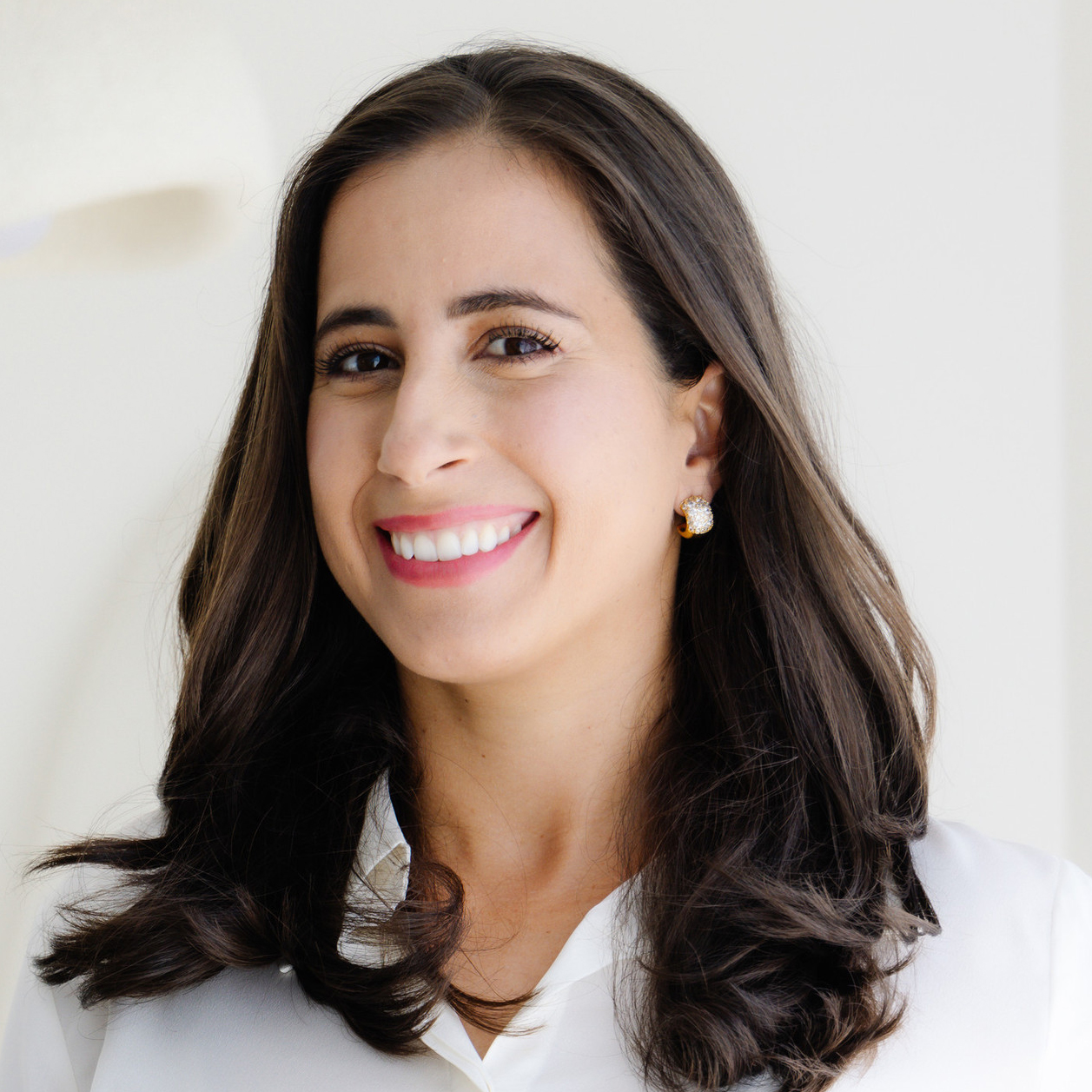
Written by
Natalie Sterling
Sotheby's International Realty
Why being bilingual is a business advantage, not a liability
How embracing my accent helped me build confidence, credibility, and a career in real estate.
For a long time, I believed my accent was something I needed to soften, hide, or fix in order to succeed in business.
I was wrong.
Being bilingual did not slow my growth. It shaped it. Learning to fully own who I am became one of the most defining moments in my career.
My journey started long before real estate.
I was born in Cuba, raised with big dreams, and learned early what it meant to start over. My family emigrated to Spain where I worked multiple jobs while putting myself through school. Later, we made another leap to the United States chasing opportunity, stability, and the American dream.
Every move required reinvention. Every reinvention required language.
English was not just something I needed to learn. It was something I had to use confidently while still figuring it out. That was uncomfortable, isolating, frustrating at times, and deeply humbling.
Being bilingual taught me how to build resilience.
When I arrived in Florida, I led with courage instead of perfection. I emailed people I had never met asking for opportunities. I created scripts for phone calls. I saved email drafts and studied them line by line. Each conversation became practice. Each mistake became feedback.
Even with imperfect English, doors began to open.
What I did not realize at the time was that being bilingual had already trained me for entrepreneurship. I knew how to adapt, how to read people, and how to problem solve in unfamiliar environments. Those skills later became the foundation of my business.
Joining one of Palm Beach’s top real estate brokerages tested my confidence.
In 2018, I joined one of the top real estate brokerages in Palm Beach, Florida and committed fully to my real estate career. On paper, it was an incredible opportunity.
In reality, it was intimidating.
I was surrounded by seasoned professionals who spoke confidently, moved quickly, and seemed to understand the unspoken rules of the industry. The environment was competitive, polished, and demanding. At times, it magnified every insecurity I carried.
I worried about how I sounded. I even took classes to reduce my accent. I replayed conversations in my head and questioned whether clients would take me seriously because of it. Instead of shrinking, I decided to prepare harder.
I studied contracts, market data, and listings relentlessly. I listened more than I spoke and focused deeply on service, follow through, and consistency. I leaned into empathy and connection because those were strengths I already had.
Over time, results spoke louder than any accent ever could.
My accent became part of my brand.
The shift happened when I realized that clients were not looking for perfection. They were looking for trust.
My accent told a story before I ever did. It reflected resilience, courage, adaptability, and lived experience. It allowed clients to feel understood, especially those navigating big transitions, emotional decisions, and new chapters.
Once I stopped apologizing for how I spoke and focused on what I delivered, everything changed. My confidence caught up with my capability.
What being bilingual has taught me about business.
Being bilingual has shaped how I lead and operate every day.
I communicate intentionally rather than impulsively. I prepare because clarity matters. I adapt quickly when circumstances shift. I connect naturally with people from different backgrounds and cultures.
Most importantly, I learned that confidence does not come from sounding like everyone else. It comes from standing firmly in who you are.
If you are bilingual and building a business, here is what I want you to know.
Your accent is not a weakness. It is proof that you had the courage to start again.
Your journey gives you perspective that cannot be taught. Your voice, exactly as it is, belongs in every room you walk into.
The moment you stop trying to blend in is the moment you begin to stand out.
Action step: Notice where you may be holding back because of fear or self doubt. In your next meeting, email, or introduction, lead with confidence instead of apology. Your story is not something to hide. It is your advantage.
About the Author
Natalie Sterling
Sotheby's International Realty
Natalie Sterling is a luxury real estate advisor in Palm Beach County, Florida known for her refined eye, strategic marketing expertise, and elevated approach to branding high-end homes. Her career was shaped by working closely with Lawrence Moens, Palm Beach’s premier luxury broker, where she served both as an agent and trusted assistant, gaining rare, behind-the-scenes insight into one of the most competitive luxury real estate markets in the country. Nearly a decade later, Natalie is recognized for her discretion, integrity, and white-glove service. With a background in building and civil engineering, Natalie brings a deep understanding of construction quality, architectural details, and thoughtful design.
She has a natural talent for elevating homes—knowing how layout, finishes, light, and presentation come together to create a compelling lifestyle experience that resonates with today’s luxury buyers. Natalie is equally respected for her expertise in luxury real estate marketing. She develops customized marketing strategies for each property, combining high-end branding, professional photography, lifestyle storytelling, and targeted digital exposure to attract the right audience and maximize value. Serving Palm Beach, West Palm Beach, North Palm Beach, Palm Beach Gardens, and Jupiter, Natalie Sterling is a trusted partner for buyers and sellers navigating South Florida’s luxury real estate market with confidence, clarity, and exceptional results.

The Latest
Heather Lillico Helps Burnt-Out Founders Rewire Their Nervous Systems
The former nutritionist burnt out building her nutrition business, and the tools that brought her back to calm now anchor her coaching for women founders.
Elizabeth Watson Helps Founders Recover Their Lost Energy

Automate Your Site with a 1-Month Free Trial
Kartra