
















The Financial Mistake That Changed How I Run My Company
From overspending on appearances to underinvesting in growth out of fear, these founders made costly financial mistakes early on and came out the other side with sharper instincts and stronger businesses.

Written by
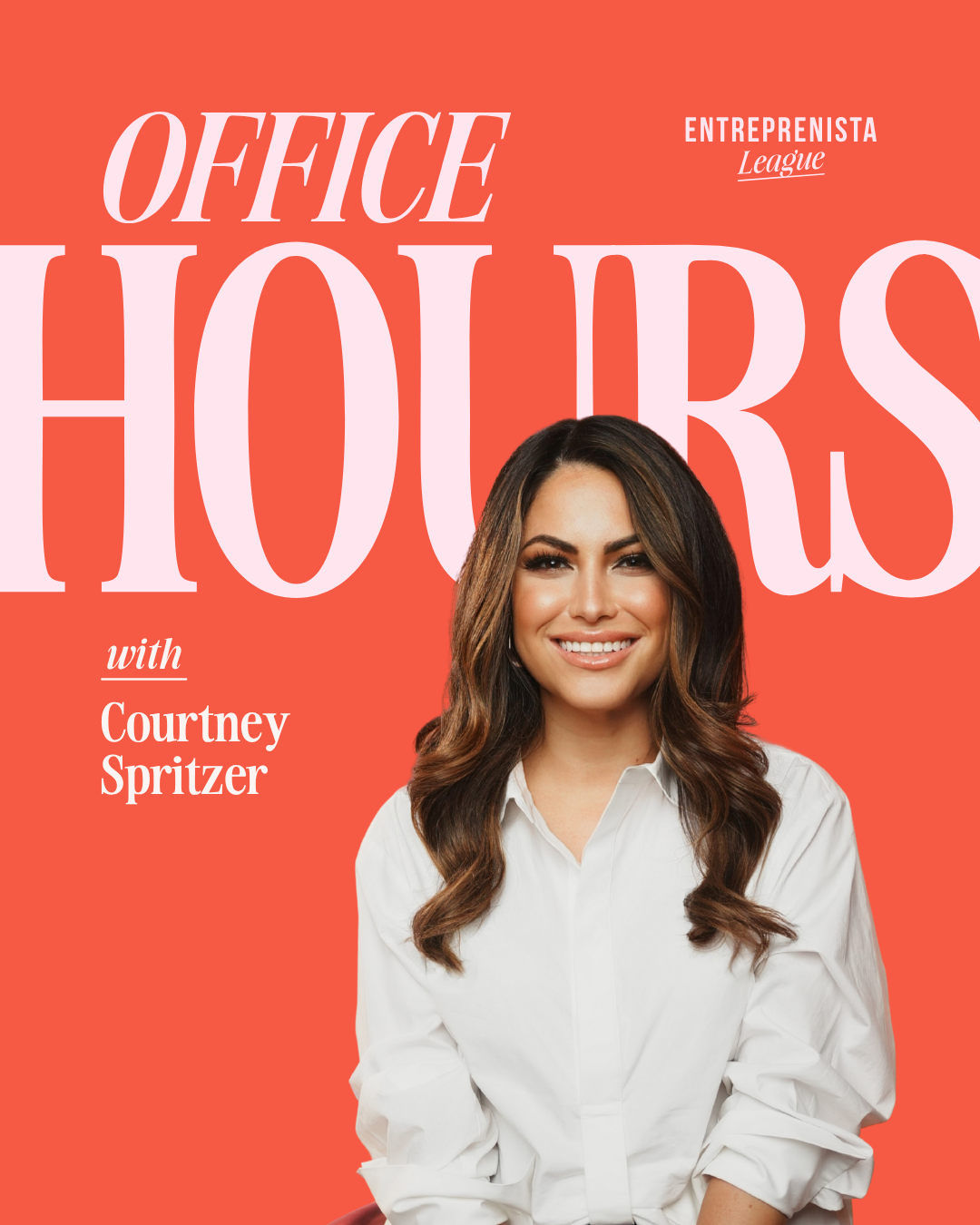
Courtney Spritzer
Co-founder of Entreprenista.
Most founders can point to a moment when the numbers stopped making sense. Whether it was a month that felt strong but left almost nothing behind or a decision that looked smart at the time and quietly cost them more than they realized, these moments reveal (and teach) indelible lessons that create lasting impact.
Financial mistakes are not rare. They are a near-universal part of building a business, especially in the early years when the learning curve is steep and the stakes feel impossibly high. What separates founders who build lasting companies from those who don't is what they chose to do next.
Here are the stories of two founders who made financial missteps that changed everything about how they operate.
Kat Weaver, Founder of Power to Pitch
The mistake: Spending on appearance before earning the revenue to support it.
The Decision
In the early days of Power to Pitch, Kat Weaver was doing what a lot of founders do: investing in the things that felt like momentum. She focused on a professional website and strong branding with the goal of projecting a business that had arrived.
"Early on, I underinvested in financial systems and overinvested in things I thought would make us look successful like a polished website and branding before we had the revenue to support it,” Kat says. “I was operating on vanity metrics and excitement rather than actual numbers."
Related: How to Build Wealth as an Entrepreneur: 7 Power Moves for Women Founders
What She Didn't See at the Time
Investing in branding isn’t a problem. The order of operations, however, was creating the appearance of financial health before Kat had built the actual foundation beneath it. Without strong financial systems in place, she had no real visibility into what the business could support, which meant spending decisions were driven by feeling rather than data.
The Impact on the Business
The gap between what the business looked like and what was actually happening inside it created real pressure. Kat says, "It created a lot of unnecessary stress and a few really uncomfortable months where I had to make quick decisions without the data to back them up."
When cash got tight, Kat didn't have the information she needed to move quickly and confidently. She was navigating by instinct in moments that required precision.
Related: The Numbers You Should Be Tracking Every Single Month
How She Operates Now
The experience fundamentally changed her relationship with her numbers. "Now, financial clarity is non-negotiable,” Kat says. “I review our numbers regularly, I know our margins, and every major decision gets run through a financial lens first. I also built systems that give my team and me visibility into what's actually happening in the business, not just what feels like it's happening."
The lesson: Visibility comes before spending, and financial systems are a leadership tool. When you know your numbers, every decision gets easier, and every stressful moment gets smaller. “It has made me a much more grounded and confident leader,” Kat says.
Susan Taylor, Founder of TayloredWisdom
The mistake: Letting fear of cost masquerade as financial responsibility.
The Decision
Susan Taylor's financial mistake looked, from the outside, like caution. She was watching her spending, holding back on investments, and keeping costs lean. What she didn't realize was that she was conflating frugality with strategy.
"One of the most significant financial mistakes I made early on was repeatedly choosing not to invest in myself, my growth, and my business because I was operating from a mindset of scarcity,” Susan says. “There were opportunities to hire coaches, invest in strategic support, increase my visibility, and accelerate my development as a business owner, including joining communities like The Entreprenista League, but I often convinced myself that I could not afford it. Looking back, many of those decisions were driven more by fear than by sound business strategy."
Related: Conquering Fear and Finding Your Purpose with Tracy Litt
What She Didn't See at the Time
Susan was asking the right first question (“What does this cost?), but stopping there. She was not yet asking what it would cost her to stay where she was.
"At the time, I was focused on the cost of the investment. What I failed to see was the cost of not investing,” Susan says. “I did not yet understand that the right investment can shorten learning curves, expand possibilities, create relationships, increase visibility, and accelerate growth. In many cases, the price of staying where I was turned out to be far greater than the investment I was avoiding."
The Impact on the Business
Those consequences were slower and harder to name, which made them easier to miss for a long time.
"The impact was not a dramatic financial loss. It was slower growth and less visibility,” Susan says. “I carried more responsibility myself than was necessary, spent years figuring things out alone, and delayed opportunities that may have emerged sooner with the right support and guidance. The business continued to move forward, but often at a pace shaped by caution rather than possibility."
Related: Jennifer Chapman Helps Leaders Build Confidence and Connection
How She Operates Now
Susan still believes in financial stewardship. What has changed is the framework she uses to evaluate what's worth spending.
"I no longer ask only, 'What does this cost?' I also ask, 'What does this make possible?' Some of the best decisions I have made as a founder required me to invest before I felt completely ready,” Susan says. “I have learned that growth often requires us to expand our thinking before the results are clearly visible."
The lesson: Scarcity mindset can look like smart financial management. The difference is whether you are making a calculated decision or avoiding a fear. Asking "what does this make possible?" alongside "what does this cost?" changes the quality of every investment decision. For Susan, the result looks like this: “As a leader, I am much more willing to invest in coaching, expertise, systems, and support that help me and my business grow.”
What This Means for You
These two stories surface on opposite ends of the financial spectrum: one founder overspent, the other underinvested. But the underlying dynamic is similar in both cases. The decisions were driven by something other than clear financial thinking. For Kat, it was excitement. For Susan, it was fear. While neither approach signifies failure, both are patterns worth recognizing in yourself.
A few questions worth sitting with:
- Are you spending on things that signal success before you've built the infrastructure to support it?
- Are there investments you've been avoiding that aren't really about the money?
- Do you have enough financial visibility to make decisions from data rather than instinct or emotion?
- When you evaluate a financial decision, are you only asking what it costs or also what it could make possible?
Financial clarity means building systems and habits that let you see reality clearly, so that when a decision (or a hard month) comes, you already have what you need to respond well.
Curious about joining the Entreprenista League? Sign up here for a free info session.
The Entreprenista Takeaway
The founders who build lasting businesses aren't the ones who never make financial mistakes. Instead, they're the ones who let the mistakes teach them something real.
Weaver built systems so that uncomfortable surprises couldn't happen in the dark again. Taylor stopped mistaking avoidance for discipline. Both came out on the other side running their companies with more intention, more confidence, and a much clearer picture of what their decisions actually cost.
About the Author
Courtney Spritzer
Co-founder of Entreprenista.
Courtney Spritzer is a serial entrepreneur, angel investor, author, and community builder with a passion for creating brands and platforms that empower women to lead, grow, and thrive.
In 2012, she co-founded Socialfly, a leading social-first digital and influencer marketing agency. Over the course of a decade, she helped scale the business into an award-winning agency working with Fortune 500 brands and emerging startups, building a powerhouse team and culture along the way. In 2024, Socialfly was acquired.
In 2018, Courtney launched the Entreprenista Podcast to spotlight the stories of inspiring women founders. That passion evolved into Entreprenista Media in 2021, a media platform and community supporting women entrepreneurs at every stage of growth. She now co-leads the continued expansion of The Entreprenista League, a membership-driven community and ecosystem for founders.
As an angel investor, Courtney supports female-led and mission-driven startups aligned with her vision for a more inclusive and equitable business landscape.
She is the co-author of Like, Love, Follow: The Entreprenista’s Guide to Using Social Media to Grow Your Business (2015), a strategic guide for leveraging social platforms to drive business success.
Her work and ventures have been featured in Bloomberg, Forbes, Inc., Entrepreneur, and The New York Times. She is committed to championing visionary founders and helping build the next generation of impactful, community-driven businesses.

The Latest
Vivrelle: How the Luxury Accessory Club Started With “I Do”
Who started Vivrelle? Meet co-founder Blake Geffen who turned her wedding-day idea into a premier luxury membership club for designer bags and jewelry.

Lara Bruner Teaches Women The Science Of Influence

Automate Your Site with a 1-Month Free Trial
Kartra