

.avif)
















Get the Right Brand Photography for Your Business: 7 Expert Tips
February 11, 2026
%20(1).avif)
Written by
Jennifer Tsay
Shoott
If you’ve ever looked at your website or Instagram and felt unsure whether your brand photography is really working for your business, you’re not alone.
You know your product or service is strong.
You know your brand has heart.
But somehow, your visuals aren’t fully telling that story or building trust as quickly as you’d like.
Here’s the truth: great brand photography isn’t about “perfect” photos. It’s about clarity, cohesion, and connection.
After years of providing professional photography to everyday people, small businesses, and large organizations - and building Shoott along the way - I’ve seen this pattern repeat itself. People consistently underestimate how much the right photos can accelerate trust, and how quietly the wrong ones can slow everything down.
Below are seven expert tips I’ve learned over the years to help you get photos that don’t just look good, but actually work for your brand.
1. Start With the Feeling You Want Someone to Have
Before you think about outfits, locations, or poses, ask yourself one simple question: How do I want someone to feel when they see this image?
Not what they should think - what they should feel.
Trust? Relief? Joy? Belonging?
Neuroscience backs this up: people process images far faster than text, and emotional reactions happen before conscious reasoning. If your photos don’t evoke the right feeling, no amount of clever copy will fully compensate.
When brands skip this step, they can end up with images that conflict with your desired intention - for example: photos that are overly polished when they should feel accessible, or too casual when they should be emphasizing trust and expertise.
So when it comes to branding photos, remember to convey your goals to your photographer with the priority of feelings first, aesthetics second.
2. Choose Realism Over “Stock Photo Energy”
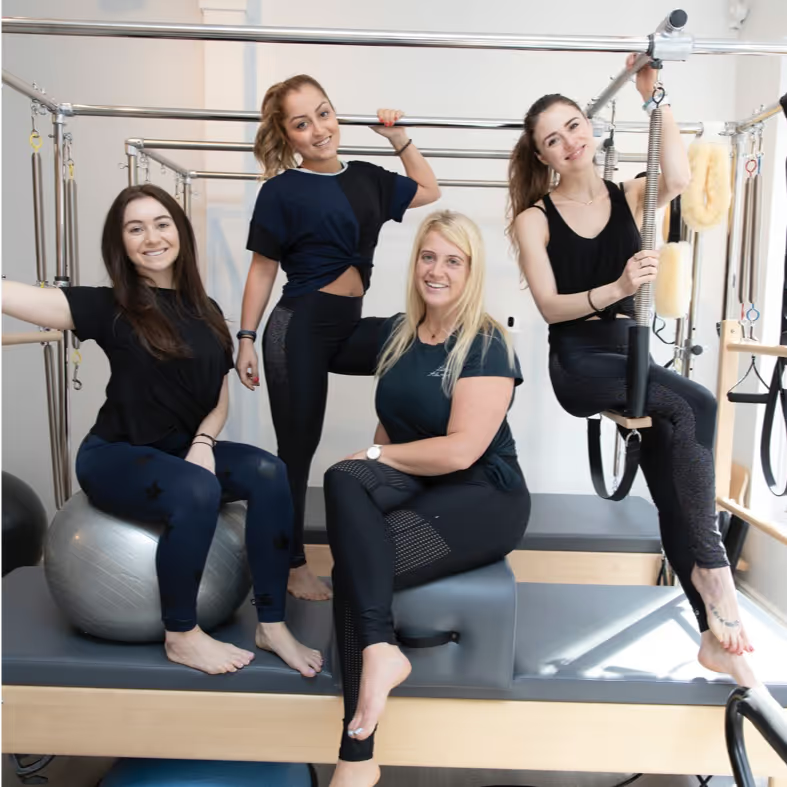
Over the years, we’ve discovered that people are relying less on overly-polished stock photos and have instead been requesting real photos of their team or office.
People today are incredibly good at detecting when something feels staged or generic. Research from marketing psychology consistently shows that relatability increases trust and recall, especially when it comes to either service-based or consumer brands.
This doesn’t mean your photos need to be raw or messy, but it does mean that they should feature real environments, natural expressions, and moments that look like something that could actually happen.
Our recommendation is to find branding photos that achieve this goal and create a moodboard to share with your photographer. That way, they can advise on things such as time of day for photography if you want to work with natural light (always recommended!), and other elements to help your photo goals become reality!
3. Let Cohesive Photos Work Their Magic
One strong photo can catch attention, but a cohesive set of photos builds a brand. What helps build cohesion? Consider:
- Lighting style: e.g. bright and happy, dark and moody, indoor vs outdoor)
- Color tone: e.g. warm tones, cool tones, pastels, and deep tones)
- Framing and composition: e.g. angles of camera to subject, subject positioning within the photo, other elements in a shot
- Emotional energy: e.g. joyful, serious, confident, sentimental, loving
When visuals are cohesive, audiences just “get” what you’re trying to convey. However, when the elements are competing or contradicting each other, your target audience may wind up confused or feeling alienated, which is the last thing any of us as founders want!
Work with your photographer to determine the visual language you’d like to use and they can help advise on outfit choices (cut and color), lighting considerations, and also what environmental props you may want to include in your shots.
Cohesive branding signals professionalism, stability, and credibility - your photos should look like they belong to the same story, even if they’re taken months (or years!) apart.
4. Design Your Photos for Where They’ll Be Used
One of the most common mistakes I see is photographers shooting photos without knowing their end purpose.
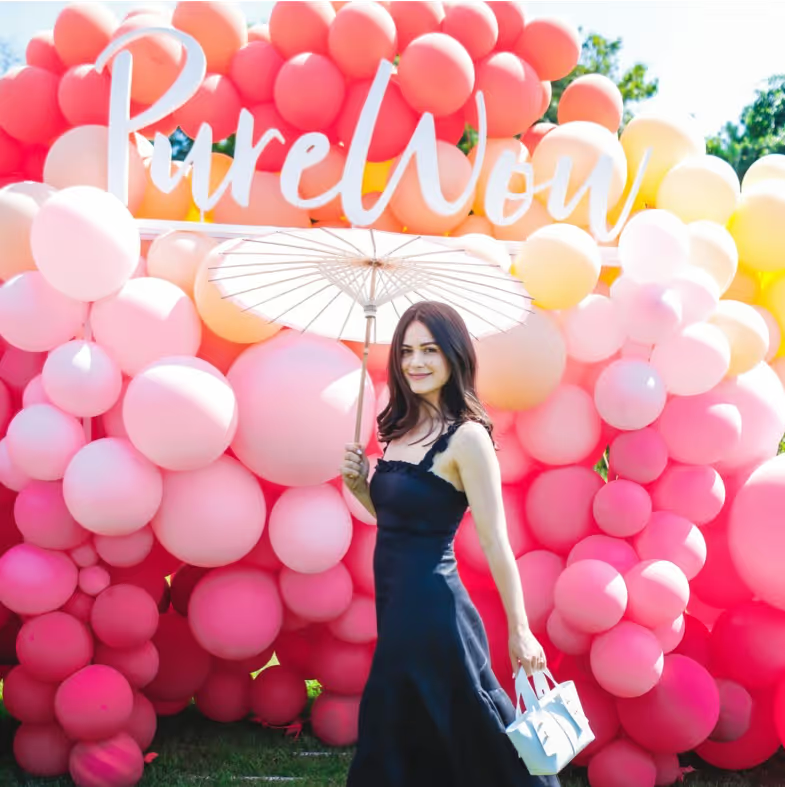
Website hero images, social posts, ads, and email headers all have different visual needs. A photo that looks great on Instagram may not quite work when cropped for a homepage banner.
Experienced brands plan backward and consider:
- What formats will this image live in?
- Which images need breathing room for elements like text?
- Will it be cropped vertically, horizontally, or both?
- After deciding on everything above - have I put this in writing for the photographer to remember in their shot list?
This practical thinking helps ensure you don’t waste your time or photos and ensures that the photos you invest in actually get used, rather than sitting in a folder labeled “pretty but impractical.”
5. Put People at the Center (Even If You’re Not a “Personal” Brand)
Did you know that 92% of professionals say they are more likely to trust a company whose senior executives are using social media?
In this day and age, consumers are craving connection and trust, gravitating towards humans over faceless brands.
What does this mean for your photos?
It means that incorporating human faces and interactions - of founders, employees, or clients - can make a huge difference in how others experience your brand.
So remember - even if your goal is to convey professionalism and expertise - your audience still has an innate desire to connect with you in some way. And letting your photographer know that’s a goal of yours will help them direct you to the shots that convey that sentiment.
6. Find a Trusted Professional (Not Just Someone With a Nice Camera)
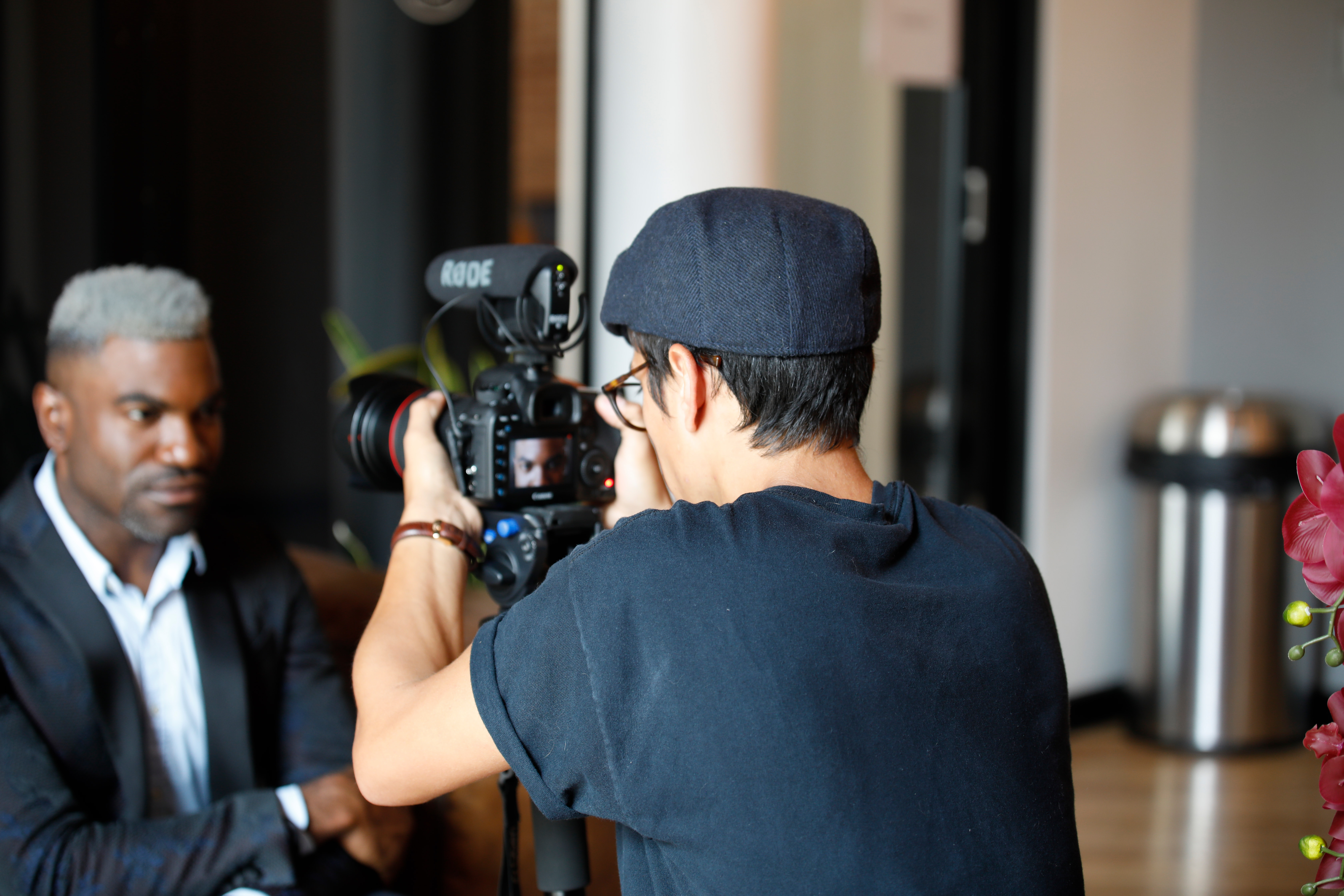
Brand photography isn’t the place to “just grab someone with an iPhone” or rely on a well-meaning hobbyist (or relative). You’re not just hiring technical skill, you’re hiring artistry, communication, and direction.
Take this seriously:
- Review portfolios to see if their work aligns with your brand’s tone (make sure their portfolios are up-to-date!)
- Read reviews and testimonials carefully - are they reliable? Do they work well with different personalities?
- Talk to them before booking to see how easy they are to communicate with. The day of your shoot, you’ll be working with them often for several hours so you just want to ensure a smooth experience.
A great professional photographer knows it’s their job to put your team at ease, translate your goals into visuals, and keep things moving efficiently. Their demeanor matters just as much as their technical ability - especially when you’re photographing people who may feel vulnerable on camera, which frankly is most people.
Working with someone who’s vetted, trusted, and respected within your community also reduces risk. It protects your time, your energy, and ultimately your brand.
7. Allow Yourself to Be Surprised
On the day of the shoot, don’t be surprised if you feel awkward or self-conscious in front of the camera.
That feeling is incredibly common - especially if you’re not used to being photographed by a professional. Photography requires vulnerability, and even confident leaders feel it.
Once your photographer understands your goals, give yourself permission to trust their direction.
Some poses or directions may feel unnatural in the moment, but they often translate beautifully on camera. You can always ask to see a quick preview to make sure things are heading in the right direction - but try to stay open to the process.
The best images often come from moments where you let go just enough for your natural vibe to shine through!
Final Thoughts
Strong brand photos don’t just happen by accident.
They come from knowing what you want to communicate, gathering examples that reflect that vision, and partnering with a trusted professional who can bring it to life, someone you genuinely work well with.
When your visuals align with your goals, your copy lands harder, your ads perform better, and your brand has a much stronger foundation to grow from.
Photos shouldn’t just fill space.
They should support the story you’re working so hard to build.
About the Author
Jennifer Tsay
Shoott
Jennifer Tsay isn’t your typical tech founder. As Co‑Founder & CEO of Shoott, she’s built a nationwide, on-demand photography platform that merges accessibility with professional artistry, reshaping how everyday people experience professional portraiture.
Since launching Shoott in 2018, Jennifer has scaled the company to 60+ U.S. cities, surpassed $10MM in revenue, and achieved profitability without raising beyond a seed round. Before Shoott, Jennifer thrived in high-stakes environments like investment banking and corporate finance. But it was her work as a professional actor (she was also once a resident artist at NYC’s Flea Theater), that deeply shaped her leadership style as being intuitive, human-centered, and always focused on narrative. Today, that creative instinct fuels Shoott’s unique brand of service, which is emotion-forward, people-first, and radically accessible.
Jennifer brings rare dual fluency in both analytical and creative strategy. Under her leadership, Shoott offers free 30-minute outdoor photo sessions, compensates photographers with at least $100/hour, and retains a 4.9-star average rating. She’s been recognized in Forbes Next 1000, Brit + Co’s “Founders We Love,” and is an Entreprenista 100 winner. These honors reflect her continued advocacy for sustainable business models, inclusive economies, and creative empowerment.

The Latest
.avif)
The Burnt English Muffin Principle: Why Sustainable Success Starts Inward
As women leading businesses, we are deeply conditioned to believe our value lies in high gear. We chase the lightning bolts, assuming fulfillment lives only in the extraordinary. Yet sustainable business success begins with the quiet permission we give ourselves to exhale.
