





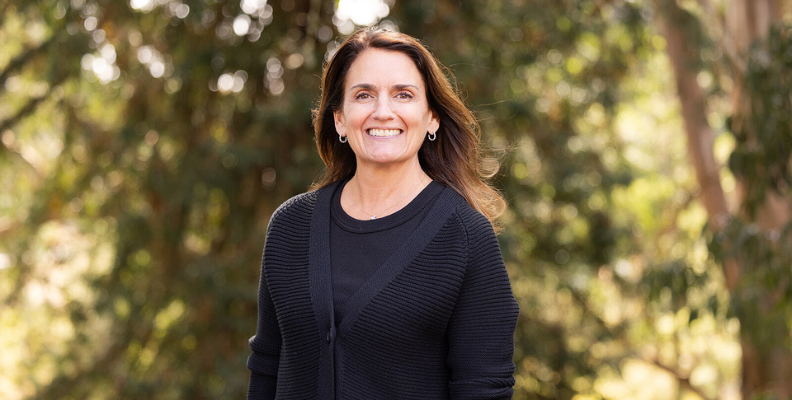












Why You Keep Hiring the Wrong People: 3 Reasons Growing Companies Get It Wrong
Hiring for likability, ignoring company stage, fishing in too small a pond. Three reasons growing companies hire the wrong people, and how to fix them.
November 5, 2026

Written by
Danae Gabriel
Superbloom Talent
I've recruited for early-stage startups, scaling mid-size companies, and a Fortune 500 organization. What it takes to hire the right person looks vastly different at each one. Startups and scaling teams have always been the hardest to hire for, which is probably why I'm most drawn to them. Not only do they need a very specific type of talent, but they also don’t usually have the budget to get it wrong.
When those companies keep hiring the wrong people, it comes down to one of three reasons.
1. You assess skills without considering company stage
When I was on Upwork's internal team, I helped scale their go-to-market (GTM) organization during a period of rapid growth due to COVID. I interviewed thousands of sales professionals, from business development representatives to executives. I assessed their skills and experience against the role, but I also looked closely at the companies they'd worked for before because the stage can matter just as much, if not more.
Say a 50-person firm is hiring an account executive. A candidate who sold at a large global consulting firm has technically done this job. At that firm, the brand opened doors before they ever picked up the phone. At a 50-person firm with little name recognition, they have to earn every meeting on their own. Same title, very different job.
Before I have a screening call, I look at a candidate's last three companies. If I'm hiring for a 50-person firm and those three companies had 500 or 1,000+ employees, that leaves me with some question marks.
They stay in the process. I just make sure the screening call digs into what their sales process actually looked like. Were they working inbound leads, or were they a true hunter, going out and educating people on the brand and its value?
We test for this with a live sales role-play we run for first sales hires.
2. You're fishing in a pond instead of an ocean
We worked with an IT company that couldn’t take on more clients without a lead consultant. And not just anyone with the certification. They needed someone who held the highest level of it, a credential so new it had barely been put to use.
Posting the role and waiting was never going to work. So we went out and actively sourced, and we didn’t find one of those people. We found two.
That took more than a message saying “we have an opening.” We had to sell the opportunity, the company as much as the job, to people who weren’t looking. With both consultants in place, the firm could finally say yes to new clients and hit its revenue goals.
A lot of the clients we start working with have only ever hired through referrals or inbound applicants, the people who are actively job hunting and happen to see your posting. That works fine until you need someone who isn’t looking.
In my experience, if you post a role and get 20 applicants, maybe one or two come close to what you need. If you settle on experience for this hire, that gap shows up somewhere else in your company, keeping you from moving forward and hitting your goal.
3. You focus too much on whether you like the person
We've worked with companies that assessed candidates by whether they could see themselves grabbing a beer with them. With that lens, it gets very hard to focus on whether the person can do the job.
So you skip steps in the interview process. You take a friend's word for it when they refer someone. Three months later, you realize this person is costing you more than they produce. And I'll tell you right now, that isn't what hiring should feel like.
How to stop hiring the wrong people
This week, sit down and get specific about what you need this person to do. Then, if you haven't done this work in your business yet, answer two more questions.
- Where is your business right now?
- Where are you taking it in the next 12 to 18 months?
Spend real time connecting those dots. If your business will be doing X in 12 to 18 months, how does that change the way this role evolves?
Say you're hiring someone to run a process today, and over the next 12 to 18 months you also need them to innovate, streamline, or build something new. Look for candidates who can do what you need right now and who also have the capability, the aptitude, and the hunger to grow into that role with your company.
If you want to discuss what it looks like to have a real recruiting partner support you through this process, let’s get some time on the calendar here.
Related article by Danae Gabriel:
Every Resume Looks Perfect Now: How to Find the People Who Can Actually Do the Job
About the Author
Danae Gabriel
Superbloom Talent
Danae Gabriel is the co-founder of Superbloom Talent, a recruiting and talent strategy firm built for founder-led professional services firms that are scaling fast and need hiring to keep up. She landed at a staffing agency early in her career and knew almost immediately the model was broken. Candidates who checked the boxes on paper, sent off to companies no one had taken the time to understand. Because a recruiter who doesn't understand your business can't find the right person for it. That conviction carried her through startup operations roles alongside CEOs and eventually to Upwork, where she helped build recruiting infrastructure during a period of significant company growth. Superbloom grew out of watching the same pattern repeat: firms growing fast, hitting a wall with hiring, and getting treated like an afterthought by agencies sending resumes without context. Professional services firms don't sell a product. They sell the expertise and judgment of their people, which means a wrong hire doesn't stay internal. It shows up in client relationships, in reputation, and in revenue. Danae works in reverse. Start with the firm, understand where it's headed, then find the person who can help it get there.
Her clients show up for final interviews. That's it. In an 18-month engagement with Kieri Solutions, Superbloom grew their team from 9 to 30 employees across 18 specialized roles with 94% retention at 12 months. She writes for founders building a legacy. The kind who have figured out that the team they build is what determines whether they get there.

The Latest

The Hardest Thing I Had to Learn as a Founder Was How to Let Go
Growing a business means letting go. Learn how founders can delegate the “how,” empower their team, and step out of the daily grind to lead with vision.
Andrea Mac Teaches Founders to Shift Their Sales Mindset

Automate Your Site with a 1-Month Free Trial
Kartra