

















Five Ways Founders Accidentally Damage Their Reputation (and How to Avoid Them)
Your reputation could be costing you clients and referrals without you even realizing it. Discover five common mistakes founders make that damage trust, drive business away, and undermine credibility, plus practical ways to avoid them.
November 12, 2026

Written by
KJ Blattenbauer
Hearsay PR
Nobody starts a business intending to develop a bad reputation.
Yet I've watched founders invest thousands in beautiful branding, media coverage, and industry recognition, only to undermine that work through everyday decisions.
After 30 years in public relations, I've learned that reputations aren't always damaged by scandals or public controversies. Sometimes, it's the smaller decisions that quietly change how people perceive you.
Here are five mistakes founders should watch for.
1. Making promises their businesses can't keep
There's a difference between selling confidently and promising something you can't consistently deliver.
I've worked with founders whose ambitions outpaced the systems needed to support them. That's part of growing a business. Problems arise when clients are promised one experience and receive another.
What to do instead: Review your website, proposals, and sales conversations. Are you promising timelines, access, or outcomes you can reliably deliver? If not, adjust those expectations before disappointment becomes part of your reputation.
2. Turning small frustrations into public performances
One negative review. One critical comment. One customer who disagrees with a decision.
It's tempting to defend yourself, especially when the criticism feels unfair. But I've watched public disagreements shift attention away from the original complaint and onto the business owner's reaction.
People observing aren't necessarily deciding who's right. They're deciding whether they'd feel comfortable working with you.
What to do instead: Don't respond while you're angry. Acknowledge legitimate concerns, correct inaccuracies when necessary, and know when to take a conversation offline.
You can defend your business without looking defensive.
3. Treating relationships like transactions
A founder enthusiastically pursues a partnership, then disappears when the opportunity doesn't materialize. Someone requests an introduction but never follows up or thanks the person who made it.
These interactions rarely become public complaints. But people remember them.
In an industry built on relationships, I've learned that how someone behaves when they have nothing to gain reveals considerably more than their networking pitch.
What to do instead: Follow through on introductions. Respond professionally when opportunities aren't a fit. Treat assistants, vendors, and collaborators with the same respect you'd extend to someone who could write you a six-figure check.
Your reputation extends well beyond your paying customers.
4. Collecting recognition without the substance to support it
As a public relations strategist, I love seeing founders earn meaningful media coverage, speaking opportunities, and industry recognition. But recognition alone doesn't guarantee credibility.
A national feature might encourage someone to visit your website. An award might spark their curiosity. Neither guarantees they'll trust you once they start asking questions.
What to do instead: Connect your accomplishments to demonstrated expertise. Can you explain your approach, show relevant results, and provide evidence that supports your claims?
Recognition opens doors. Your reputation determines what happens afterward.
5. Assuming silence means everyone is happy
A client doesn't renew. A referral source stops sending business. A longtime collaborator becomes less enthusiastic.
Nobody complains, so the founder assumes everything is fine. But disappointed people don't always announce their departure. Sometimes, they simply stop recommending you.
After years of managing client relationships, I've learned that feedback is most valuable before someone decides to leave.
What to do instead: Ask specific questions throughout the relationship. What's working? Where could the experience improve? Is there anything you expected but haven't received?
Then listen, particularly when the answers are uncomfortable.
The reputation test every founder should take
If five people who have worked with you were asked to describe the experience, would their answers match the promises on your website? If you're not confident they would, that's where your reputation work begins.
Your reputation is shaped by the expectations you set, the relationships you maintain, the mistakes you address, and the experience people have when they work with you.
You don't get to decide what your reputation is. You get to decide what you do to earn it.
And those decisions happen every day.
Related articles by KJ Blattenbauer:
7 PR Mistakes Women Founders Make (and What to Do Instead)
Why More Visibility Isn’t the Answer to More Sales
The Difference Between Being Seen and Being Remembered in PR
About the Author
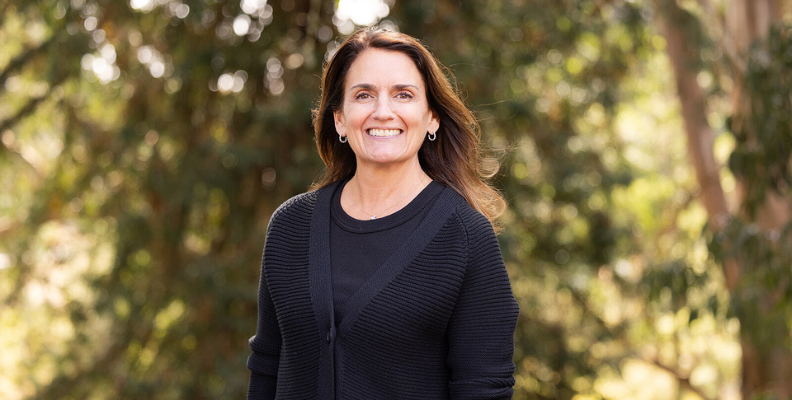
KJ Blattenbauer
Hearsay PR
KJ Blattenbauer is a powerhouse publicist, author, and visibility strategist who helps founders move from “best-kept secret” to in-demand authority. With nearly three decades of PR experience, she’s known for her sharp messaging, no-nonsense strategy, and ability to turn a founder’s story into press that actually drives revenue. As the founder of Hearsay PR and the author of Pitchworthy, KJ has shaped national narratives for brands across business, lifestyle, and leadership.
Her work blends editorial storytelling with actionable strategy, giving women entrepreneurs the clarity, confidence, and media presence they need to grow on their own terms. A trusted voice inside multiple founder communities, KJ is committed to making visibility feel strategic—not stressful—and believes every woman has a story worthy of being recognized.

The Latest

Kate Mirynowski Built Pigeon Post to Make Real Mail Easy
The founder turns your family photos into illustrated cards and mails them for you in about 2 minutes.

Samantha Moonsammy Helps Entrepreneurs Turn Their Stories Into Books That Build Brands

Automate Your Site with a 1-Month Free Trial
Kartra