















The Decision I Would Undo If I Could
Staying invisible too long. Waiting for outside permission that was never coming. These founders share the decisions they'd undo and what finally changed because of them.

Written by
Stephanie Cartin
Co-founder of Socialfly and Entreprenista.
Not every business lesson arrives as a clean pivot. Some come slowly, dressed up as discipline or humility, until one day you look back and realize what you were actually doing was holding yourself back.
The founders in this piece were asked a simple, uncomfortable question: If you could undo one decision, what would it be? Their answers dive deep into choices that shaped (and in some cases delayed) who they were becoming as leaders.
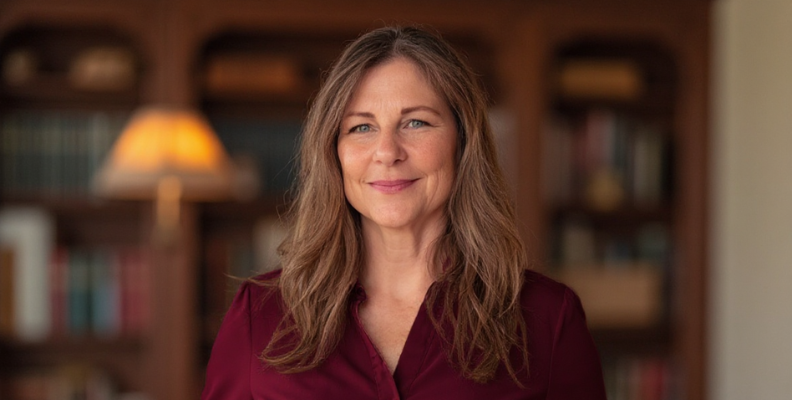
KJ Blattenbauer, Founder of Hearsay PR
The decision she'd undo: Waiting years to become visible under her own name.
The Decision
KJ Blattenbauer built her career making other people known. As a PR strategist, she understood visibility better than almost anyone. She knew how to position an expert, craft a narrative, and get a founder's name in front of the right rooms. She did it well, and she did it consistently.
What she wasn't doing was any of it for herself. "For years, I built visibility for everyone else while staying behind the curtain myself. I convinced myself the work should speak for itself,” KJ says. “The decision I'd undo is waiting so long to become visible under my own name."
Why She Made It
The reasoning felt sound at the time, and it's a pattern many service-based founders will recognize. "Like many service-based founders, I believed doing great work was enough,” KJ says. “I thought if I consistently delivered results, opportunities would naturally follow. And to some extent they did, but not at the level they could have."
Related: 5 Ways Community Can Be Your Greatest Visibility Strategy
There's a particular irony that can follow a founder who is genuinely excellent at something. The work itself becomes the reason to stay quiet. You tell yourself you're focused. You tell yourself you're humble. And for a while, that story is easy to believe.
"Looking back, I realize I was treating my expertise as something people would eventually discover rather than something I needed to actively communicate," says KJ.
The Unintended Consequences
This kind of mistake can go unnoticed for so long because it’s not always tied to a dramatic loss. Instead, the cost is something harder to measure and harder to recover: time.
"The unintended consequence wasn't lost attention, it was lost recognition,” KJ says. “People knew my clients. They knew my agency. But they didn't always know me. It delayed speaking opportunities, partnerships, referrals, and authority that had already been earned. Some speaking opportunities went to people who were more visible, not necessarily more qualified."
What She Learned
Blattenbauer's reflection reframes visibility not as self-promotion but as a professional responsibility, a shift that research consistently supports when it comes to how expertise actually gets recognized.
"The lesson was that expertise hidden behind service is still hidden. At some point, founders have to stop treating visibility as vanity and start treating it as leadership," KJ says.
Related: KJ Blattenbauer Makes Female Founders Pitchworthy
Elizabeth Watson, Founder of Your Clarity Edge
The decision she'd undo: Waiting years to own the work she was already doing.
The Decision
Elizabeth Watson's story is about a different kind of delay. Instead of hiding from visibility, she found herself resisting a path that was already, clearly, hers.
People were seeking her out for a specific kind of work. They were complimenting it, asking for more of it, and coming back for it. By most measures, Elizabeth had already found something real. And she kept it a side project anyway.
"[If I could go back,] I would have made the pivot sooner,” Elizabeth says. “I kept myself small because the label others were putting on it didn't fit."
Why She Made It
The hesitation was not without reinforcement. Trusted voices in her life pointed her away from the pivot, and because she couldn't find a version of it that felt right on their terms, she took that as confirmation.
"Experts and mentors I respected advised me against [making a shift]. It took a friend looking me in the eye and saying 'Elizabeth, you need to do this. Because I need you to do it for me.' to finally stop waiting for permission that was never coming from outside myself," Elizabeth says.
This kind of deference to external authority is well-documented among high-performing founders, particularly women, who are more likely to internalize outside skepticism rather than challenge it. When that skepticism comes from people we respect, it carries even more weight, warranted or not.
Good guidance is hard to find. Join the Entreprenista League for a community to support your success.
The Unintended Consequences
Watson names the cost directly, and she names both layers of it: "Hundreds of thousands of dollars in lost revenue. That's the business answer,” she says. “The deeper cost was years of stepping over the work I was made to do because I was letting someone else's definition of it override my own knowledge."
That second cost, the one that isn't in the spreadsheet, is often the hardest to reckon with. "When I finally stopped resisting, I didn't just find a new offer. I found a whole methodology and a revolution I never expected to lead," Elizabeth says.
What She Learned
The lesson Elizabeth carries forward is one about ownership of your path, your work, and your own definition of what it means.
"No one else gets to define the work you do or the path you take to do it,” she says. “My unconventional approach wasn't a liability. It was the differentiator. It's exactly what I now help female founders claim for themselves."
Related: Scaling a Values-Driven Business to $10M as a First-Time Founder
What These Stories Have in Common
Blattenbauer and Watson made very different decisions, but both were shaped by the same force: waiting. Waiting for the work to be recognized on its own. Waiting for outside permission to confirm what was already true.
Both were thoughtful founders operating from a real set of beliefs, not something reckless or naive. But those beliefs, left unexamined long enough, became limits that undermined the work that had inspired them.
Research on founder decision-making suggests this is more common than founders typically admit. The decisions that cost the most are often the defaults and assumptions we carry for years without questioning.
So how can you resist making the same mistakes? Ask yourself: Is there work you're already doing exceptionally well that you haven't fully claimed or communicated? Whose definition of your path are you operating from? Is there a pivot, an offer, or a direction you keep circling back to but haven't committed to?
Related: The Most Common Mistakes When Starting a Business—and How to Avoid Them
These are not comfortable questions, but they're the ones both founders wish someone had put in front of them sooner.
The Entreprenista Takeaway
There is a version of discipline that is actually avoidance. There is a version of humility that is actually fear. Both can run a business for years before they’re accurately named.
KJ and Elizabeth didn't make impulsive decisions, but the cost of being overcautious turned out to be time, revenue, and opportunities they couldn't get back. What changed things for both of them was honesty with themselves about what they already knew.
That kind of honesty is harder to bake into a business plan, but the lessons learned tend to be worth a lot more.
About the Author
Stephanie Cartin
Co-founder of Socialfly and Entreprenista.
Stephanie Cartin is the co-founder and CEO of Entreprenista, an all-in-one platform – which includes a private community & business membership called The Entreprenista League that's made up of over 2,000 women founders at all stages of business, a weekly newsletter received by 60,000 readers, two podcasts, in-person educational & networking events, and an award program – that women founders at all stages can turn to for everything they need to grow.
Stephanie is also the co-founder of Socialfly (acquired by Truform Media Group in 2024), Markid, and Pearl Influential Capital. She has won countless awards, including the SmartCEO Brava award, which recognizes the top women CEOs in New York, and a Stevie Award for Women-Run Workplace of the Year. She has also appeared in Bloomberg, Forbes, Entrepreneur, Refinery29, and more.

The Latest
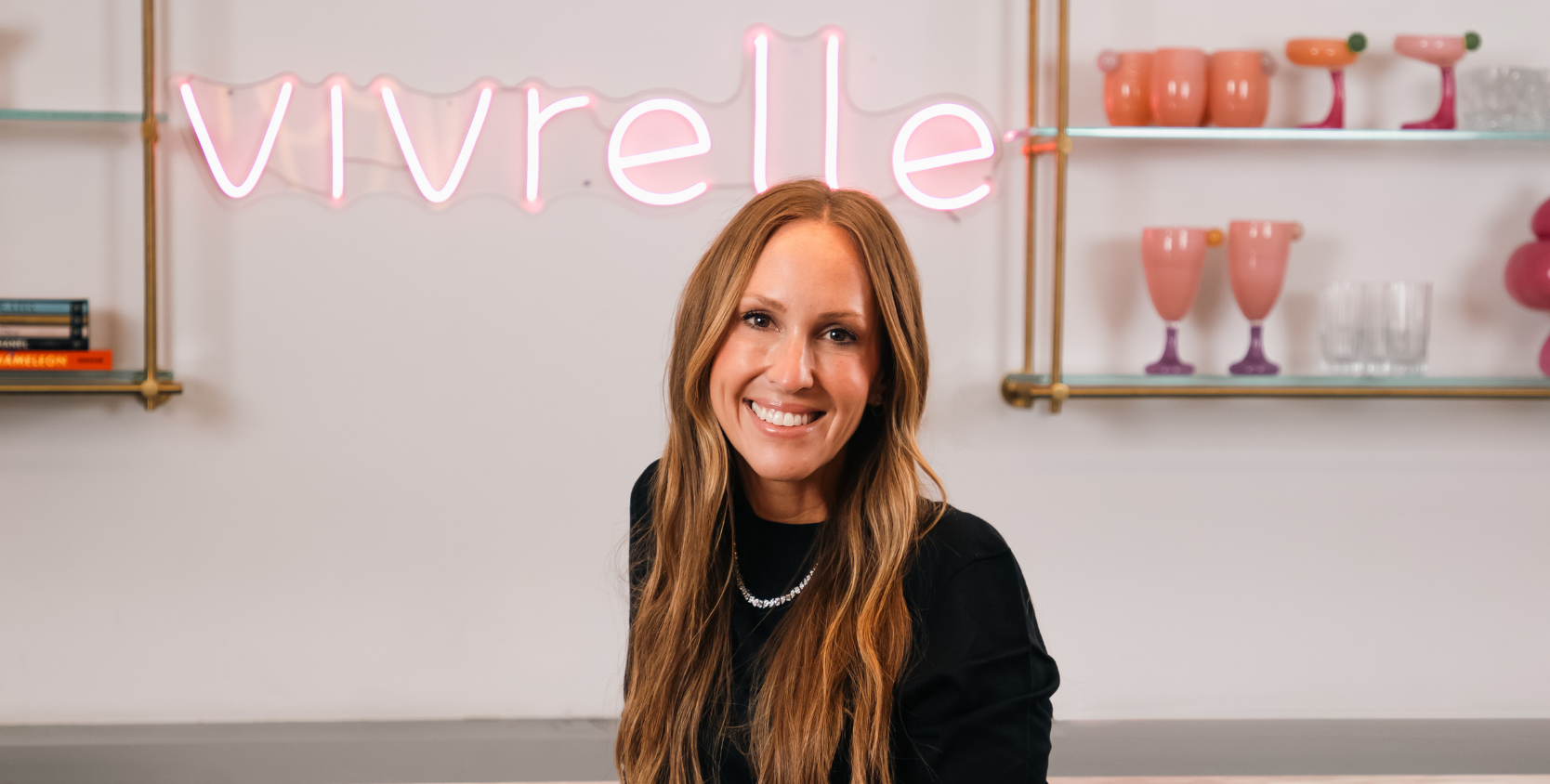
Vivrelle: How the Luxury Accessory Club Started With “I Do”
Who started Vivrelle? Meet co-founder Blake Geffen who turned her wedding-day idea into a premier luxury membership club for designer bags and jewelry.
Lara Bruner Teaches Women The Science Of Influence

Automate Your Site with a 1-Month Free Trial
Kartra